1 models · Product category
Accessories
Shelving, storage and support items that complete a room and keep equipment under control
About the Accessories range
Guide by FurnEdu · educational furniture manufacturer since 2007
Accessories covers the supporting items that make a furnished room work: storage shelving, mobile units, equipment support and the small components that keep a space organised. The category is small in product count but disproportionately important in practice, because a room without adequate storage becomes a room where every surface is a shelf. It is also the category most often left to the end of a project and then bought in a hurry. Accessories are usually bought late, in small quantities, and against a residual budget, which is why they are the items most likely to be mismatched or underspecified. Treating them as part of the original schedule, with the same finish and durability expectations as the rest of the furniture, costs no more and avoids a second procurement exercise at handover. The buying points below set out what to decide early.
Standards and materials
- Storage units are engineered with stated shelf and unit load ratings, and with anti-tip fixing for tall units.
- Steel shelving is powder-coated for durability, with boards at ENF or E0 grade where timber components are used.
- Fixing kits are supplied for the specified wall type, and load ratings are documented for the installed configuration.
What to specify before ordering
- Linear shelf metres and volume required per room are calculated, not estimated.
- Shelf and unit load ratings are stated in the offer.
- Anti-tip fixing is included for every tall unit, with the wall type stated.
- The finish matches the rest of the room package.
- Mobility or adjustability is specified where the room will change use.
Learning spaces using this range
How to buy accessories
Count storage metres, not units
Measure the linear shelf metres and the volume each room needs rather than choosing a unit that fits the wall. A storage plan based on what must be stored usually reveals that more capacity is needed than the plan assumed.
Match the finish to the room
Accessories bought separately often arrive in a different finish from the main furniture. Specify them with the room package so that shelving, tables and storage share a finish range and a visual language.
Check the load rating and fixing
Shelving load is often exceeded. Ask for the rating per shelf and per unit, and confirm the fixing method for the wall type, including anti-tip anchoring for tall units.
Plan for reconfiguration
Accessories should be movable where the room will change. Specify castors or adjustable feet, and confirm that a heavy unit can be moved without dismantling it.
Include accessories in the tender
Adding storage after the main order is awarded usually costs more and delays handover. Our [procurement checklist](/knowledge-hub/procurement-guides/school-furniture-procurement-checklist-2026) shows where to place accessories in the schedule.
1 Accessories models
View full catalog →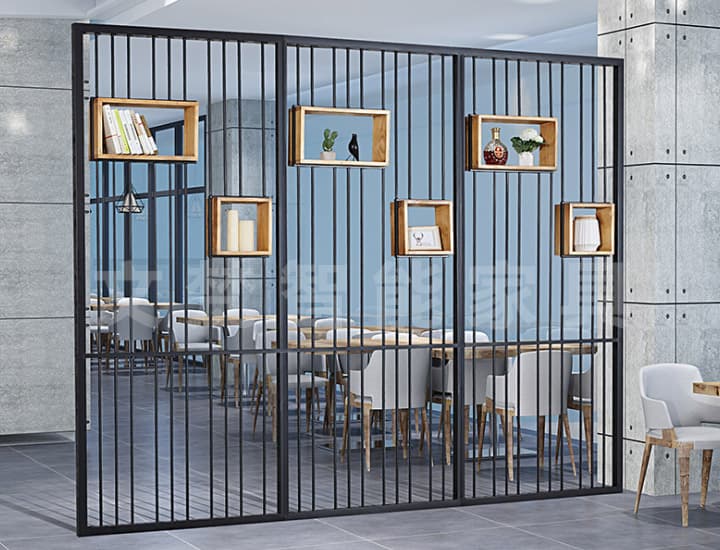
Accessories — frequently asked questions
Answers by FurnEdu · educational furniture manufacturer since 2007
What accessories does a classroom actually need?
Storage for books and materials, a place for bags, a writing or display surface, and cable management if devices are used. In practice the biggest gap is storage: a room without it turns every flat surface into a shelf, and the furniture degrades faster as a result.
How much shelf space does a school library need?
Measure the collection in linear shelf metres rather than title counts, because titles per shelf vary with size and display. A curated collection, compact storage for low-use stock and a small number of face-out displays usually serve a learning commons better than dense stack shelving throughout.
Do storage units need to be fixed to the wall?
Tall units should be anchored wherever the wall construction allows it, and the fixing kit should be included in the delivery scope with the wall type stated. Free-standing tall storage is a tip hazard in a busy room. Low units may be stable without anchoring but should still be specified with a load rating.
Can accessories be bought later?
They can, but they usually cost more and arrive in a different finish, and delivery of a single unit is disproportionately expensive. Adding storage to the original schedule is cheaper and keeps the room visually consistent. If a later purchase is unavoidable, keep a small contingency for it.
What load rating should school shelving have?
It depends on what will be stored, but school storage is routinely overloaded with books, equipment and archive boxes. Ask for the rating per shelf and per unit, compare it with the expected load, and specify a margin. A shelf rated for light office use is not adequate for a science prep room.
Related buying guides
School Library Space Planning Guide: Designing a Learning Commons
How to plan a school library or learning commons: zoning, furniture, capacity, acoustics, power and accessibility, with planning figures per school size.
School Furniture Procurement: A 2026 Checklist for Facility Teams
A stage-by-stage school furniture procurement checklist for 2026, covering scope definition, compliance evidence, supplier vetting, budget and handover.
ISO 9001, 14001 and 45001: What They Mean for School Furniture
What ISO 9001, ISO 14001 and ISO 45001 certification actually verifies in a furniture factory, how the three work together, and how to check a triple claim.
Need accessories for a campus project?
Send your room list, quantities and delivery country. The project team returns a specification-matched quotation with lead times, normally within one business day.
Request a quote