School Furniture Procurement Checklist: The Complete 2026 Guide
The complete 2026 guide to strategic school furniture procurement — scope definition, safety verification, material assessment, supplier vetting, TCO calculation, and a downloadable 36-item checklist.
Introduction
School furniture procurement is far more than a price-comparison exercise—it directly impacts student learning outcomes, safety compliance, and long-term operational costs. A 2024 study by the Education Facilities Research Association found that schools investing in ergonomic, durable furniture reported 21% fewer maintenance issues and 15% higher student engagement scores over five years. For procurement officers and facility managers, the challenge lies in balancing upfront budgets with total c...
What Is Strategic School Furniture Procurement?
Strategic school furniture procurement goes beyond issuing purchase orders and selecting the lowest bid. It involves a systematic approach that aligns furniture specifications with educational goals, safety regulations, durability requirements, and long-term budget planning.
Unlike generic office or residential furniture, school furniture must meet stringent safety standards (EN 1729, BIFMA), age-specific ergonomic requirements, heavy-duty durability for 10+ years of daily use, sustainability compliance (FSC, low-VOC materials), and scalability for growing enrollments. In 2026, procurement teams increasingly prioritize total cost of ownership (TCO) over initial unit price.
Step 1: Define Your Project Scope
Before requesting quotes, establish clear project parameters to avoid scope creep and ensure accurate supplier proposals.
### Space Type and Quantity Map every space requiring furniture—classrooms, laboratories, libraries, dining halls, dormitories, and administrative offices. Document square footage, unit quantities, and existing infrastructure for each space type.
### Age Group and Ergonomic Requirements EN 1729-1 specifies six height ranges for school furniture, from Size 1 (seat 26cm / desk 46cm, ages 3–5) through Size 6 (seat 43cm / desk 79cm, ages 16–18). Match furniture sizes to student age groups for proper ergonomic support.
### Delivery Timeline Standard lead times range from 45–90 days for production, plus 7–21 days for ocean freight and 5–10 days for installation. Factor in buffer time for custom specifications, quality reworks, port delays, and phased delivery across buildings.
Step 2: Safety and Compliance Verification
Safety is non-negotiable. Require documentation of all relevant certifications before shortlisting suppliers.
### Mandatory Certifications
[TABLE] | Certification | What It Covers | Key Regions | | |---------------|----------------|-------------| | | **EN 1729-1/2** | Ergonomic dimensions and safety test methods | EU, UK, Middle East, Africa | ...
### Critical Safety Features
- Minimum 2mm edge banding to prevent chipping and injury
- Rounded corners on all tabletops and work surfaces
- Stability testing at 1.5x rated weight under dynamic load
- Anti-tip hardware for tall storage units and bookshelves
- Pinch-point free design on adjustable mechanisms
- Fire retardant materials where required by local codes
Step 3: Material and Durability Assessment
The right materials determine whether your furniture lasts 5 years or 15.
### Tabletop Materials Comparison
[TABLE] | Material | Durability | Chemical Resistance | Heat Resistance | Cost Level | Best For | | |----------|------------|---------------------|-----------------|------------|----------| | | **HPL** | 9/10 | Good | Good (180°C) | Mid-High | Classrooms, libraries, offices | ...
### Steel and Frame Quality
- Tube gauge: Minimum 1.2mm for chair frames, 1.5mm for table frames
- Powder coating: Epoxy polyester, min 60μm thickness, 500+ hour salt spray tested
- Premium 2mm PVC/ABS edge banding with hot-melt adhesive vs. budget 0.4mm (chips 3–4x faster)
Step 4: Supplier Qualification and Due Diligence
Choosing the right supplier determines project success. Vet candidates across these dimensions:
### Production Capacity and Track Record Verify annual output capacity, factory size, number of completed school furniture projects (not just general furniture), international project experience in your region, and peak season buffer capacity for back-to-school orders (June–August).
### Quality Control Infrastructure Look for in-house QC teams with documented processes, third-party inspection partnerships (SGS, TUV, Bureau Veritas), raw material testing facilities, and a formal pre-shipment inspection protocol with detailed reports.
### Certification Verification Confirm certifications are current, issued by accredited third-party bodies, applicable to your product categories, and available for audit upon request.
Step 5: Budget and Total Cost of Ownership
The purchase price represents only 60–70% of total furniture costs over a 10-year lifecycle.
### TCO Calculation Framework
[TABLE] | Cost Category | % of TCO | Key Variables | | |---------------|----------|---------------| | | **Unit Cost (FOB)** | 50–60% | Material spec, quantity, customization | ...
### Budget Optimization Strategies Standardize SKUs to reduce per-unit costs, phase deliveries to align with construction milestones, negotiate volume discounts for multi-year blanket orders, bundle categories with a single supplier, and invest in higher durability for high-traffic areas.
Step 6: Logistics, Installation, and After-Sales
### Delivery and Installation Export-grade packaging with foam protection and corner guards is essential. Clarify delivery staging (can they deliver to specific floors?), assembly instruction quality, whether the supplier provides installation supervision or complete installation, and total timeline.
### Warranty and After-Sales Industry standard is 5–10 years for frames, 2–5 years for surfaces. Confirm what's covered (material defects, workmanship) vs. excluded (misuse, normal wear), spare parts availability 5+ years post-purchase, and warranty claim response time.
Complete School Furniture Procurement Checklist
[TABLE] | Phase | Item | Status | | |-------|------|--------| | | **1. Project Scope** | All space types inventoried with quantities | ☐ | ...
How FurnEdu Can Help
FurnEdu, the educational furniture division of Wenyi Furniture (est. 2007), provides end-to-end support for school procurement projects worldwide. With 133 SKUs spanning classrooms, laboratories, libraries, dormitories, administrative offices, and cafeterias, FurnEdu serves as a single-source partner for complete campus fit-outs.
Our advantages include: full compliance portfolio (ISO 9001/14001/45001, FSC CoC, ENF/E0 grade panels, 10-year frame warranties), a proven global track record (1,000+ school projects across 50+ countries), flexible production with a 60,000㎡ factory, dedicated project managers from design through installation, and transparent quality processes with pre-production samples and inspection reporting. Whether you're outfitting a single building or a multi-campus district, FurnEdu delivers furniture t...
Frequently asked questions
For standard K-12 classrooms, budget $150–$300 per student for desks and chairs. For complete fit-outs including labs, libraries, and common areas, the range expands to $500–$1,200 per student depending on specifications and regional installation costs.
Featured products that meet these requirements
Browse FurnEdu furniture aligned with the standards and planning principles above.
View the full product catalog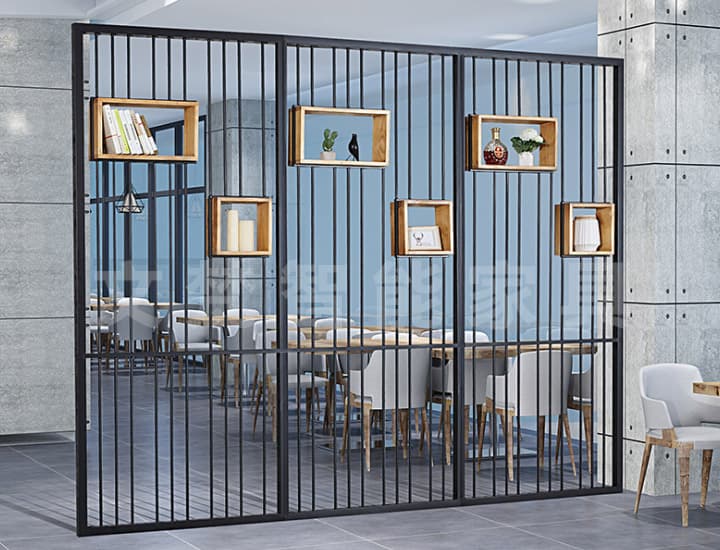
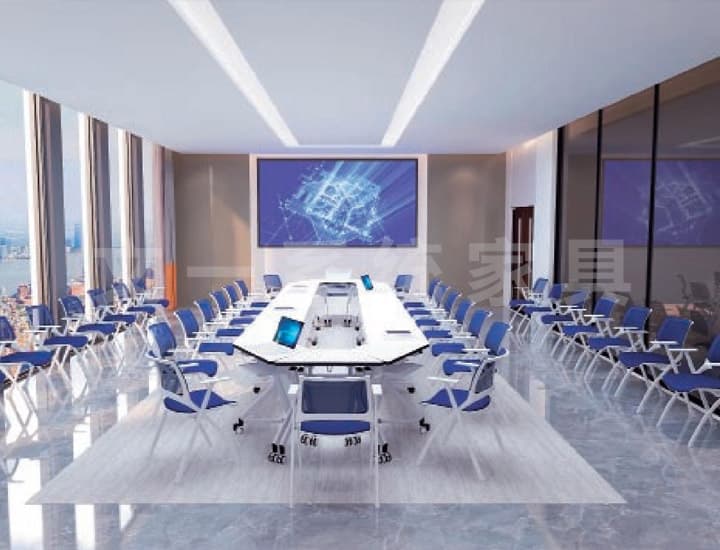
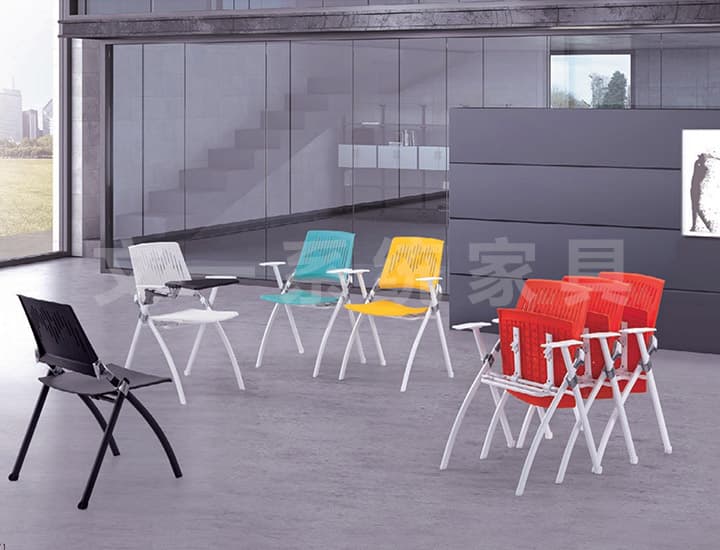
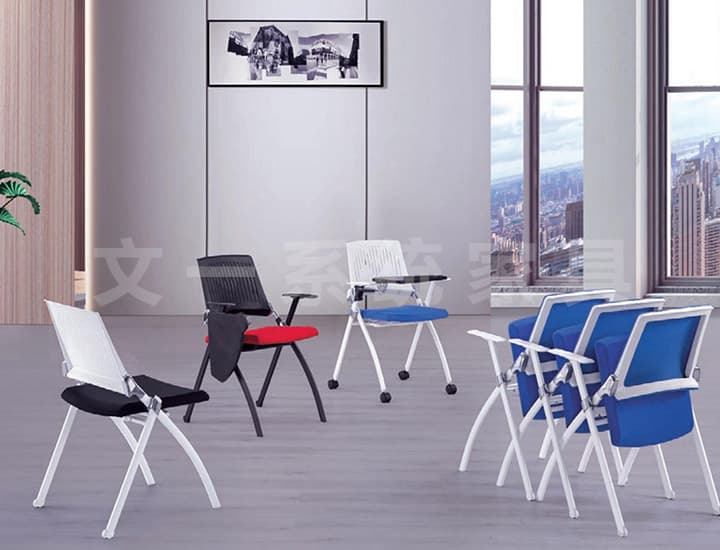
Ready to furnish your next campus project?
Tell us about your space, quantities and timeline. Our team will reply with a tailored quotation within 24 hours.