EN1729 School Furniture Standard: A Complete Guide for Buyers
Everything procurement teams need to know about EN1729 — dimensional sizing, safety testing, how to verify compliance, and why certified school furniture matters for student ergonomics and safety.
What EN1729 Means for School Furniture Buyers
EN1729 is the European standard that defines the dimensional, safety, and strength requirements for educational furniture — and it has become the global benchmark for procurement teams evaluating school desks and chairs. For buyers, specifying EN1729-compliant furniture is not just a checkbox; it is the most reliable way to ensure student ergonomics, structural safety, and long-term durability in high-use classroom environments. Non-compliant furniture can lead to posture problems, accelerated w...
What Is EN1729?
EN1729 is a European standard published by CEN (the European Committee for Standardization) that specifically addresses furniture used in educational institutions, primarily classrooms. It is divided into two parts:
While it originated as a European standard, EN1729 has been widely adopted internationally. Schools across the Middle East, Southeast Asia, Africa, and Latin America increasingly reference EN1729 in their tender specifications because it provides a comprehensive, evidence-based framework for sizing and testing school furniture.
- EN1729-1:2014 — Dimensional requirements for seating and tables used in educational institutions
- EN1729-2:2012 — Safety requirements and test methods for seating and tables for educational institutions
Key Components of EN1729-1 (Dimensional Standards)
### Size Categories Based on Student Height
EN1729-1 defines seven size categories (Size 1 through Size 7) that correspond to different student height ranges. This ensures that furniture fits students from early childhood through late adolescence. The sizing system is aligned with ISO 5970, which specifies furniture size marks for educational institutions.
[TABLE] | Size Category | Student Height Range | Approximate Grade Level | Seat Height (mm) | Table Height (mm) | | |--------------|---------------------|------------------------|-----------------|------------------| | | Size 1 | 95–110 cm | Preschool / Kindergarten | 260 | 460 | ...
*Note: Exact dimensions may vary by version. Always reference the latest EN1729-1 standard for precise measurements.*
### Why Size Categories Matter
A common mistake in school furniture procurement is ordering one-size-fits-all desks. Students in the same classroom can have a height difference of 30 cm or more, meaning a fixed-height desk will be too high for some and too low for others — contributing to poor posture, back pain, and reduced concentration. EN1729's size category system addresses this directly by providing clear dimensional guidelines for every age group.
For schools serving multiple grades, height-adjustable desks and chairs offer the most practical solution, as they can accommodate students across several size categories with a single SKU.
What EN1729-2 Covers (Safety & Strength Testing)
EN1729-2 sets the safety requirements and test methods that educational furniture must pass. It addresses both structural integrity and potential safety hazards.
### Core Test Categories
[TABLE] | Test Category | What It Measures | Why It Matters | | |--------------|-----------------|----------------| | | **Static load test** | Resistance to vertical loads on seat, backrest, and tabletop | Ensures furniture can support the weight of students without deforming or failing | ...
### Safety Requirements Beyond Testing
EN1729-2 also specifies design safety requirements:
- Rounded edges and corners: All edges that a student could contact must have a minimum radius to prevent cuts and bruises
- No pinch points: Adjustable mechanisms, folding parts, and hinges must not trap fingers
- Stability: Chairs and tables must resist tipping under defined load conditions
- Materials: No toxic or harmful materials in student-contact surfaces (referenced alongside other standards such as EN 71-3 for heavy metal migration)
How to Verify EN1729 Compliance
A supplier claiming EN1729 compliance is not the same as a supplier that can prove it. Here is what procurement teams should ask for:
### 1. Third-Party Test Reports
Reputable manufacturers will have their products tested by independent laboratories accredited to perform EN1729 testing. The test report should:
### 2. Factory Audit Documentation
For large institutional orders, a factory audit can verify that the manufacturer has the quality systems in place to consistently produce EN1729-compliant furniture. Look for ISO 9001 certification as a baseline, and request evidence of in-house quality testing.
### 3. Sample Inspection
Before placing a full order, request a sample unit and perform a basic compliance check:
- Be issued by a recognized testing laboratory (such as SGS, TÜV, or Bureau Veritas)
- Clearly identify the product model(s) tested
- Show results for both EN1729-1 (dimensions) and EN1729-2 (safety/strength)
- Be dated within the last 3–5 years (to ensure it reflects current production)
- Measure key dimensions (seat height, table height, seat depth) against the relevant size category
- Check edge radii on desk tops and chair frames
- Test stability by applying moderate force to the back of a chair
- Verify adjustable mechanisms are smooth and safe
FurnEdu Furniture That Meets This Standard
FurnEdu's complete range of classroom desks and chairs is engineered to EN1729 standards and tested by accredited third-party laboratories. Our adjustable classroom models cover EN1729 Sizes 4 through 6, making them ideal for middle and high school classrooms with diverse student populations. Every FurnEdu product undergoes structural integrity testing, impact resistance testing, and edge safety verification before shipment — backed by our 10-year structural warranty.
To learn more about FurnEdu's EN1729-compliant classroom furniture or to request test reports, contact our project team.
Frequently asked questions
EN1729 is a voluntary standard in most countries, meaning there is no legal requirement to use it. However, it is widely considered the gold standard for educational furniture and is increasingly specified in school tender documents. Procuring non-compliant furniture may expose schools to ergonomic and safety risks.
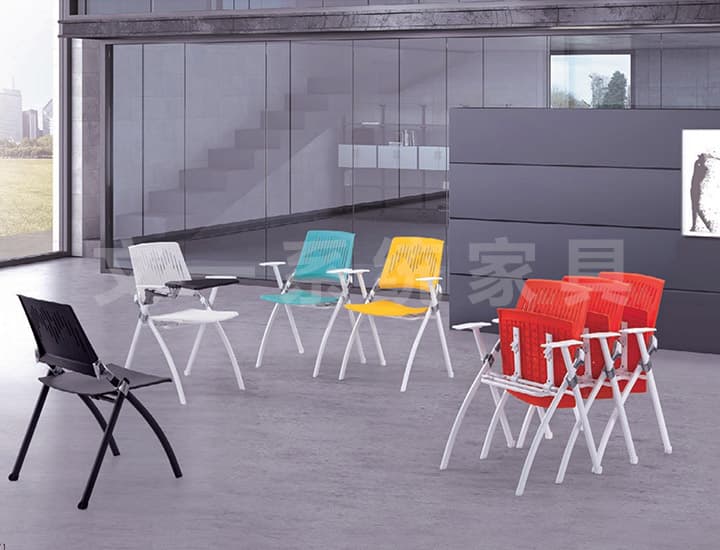
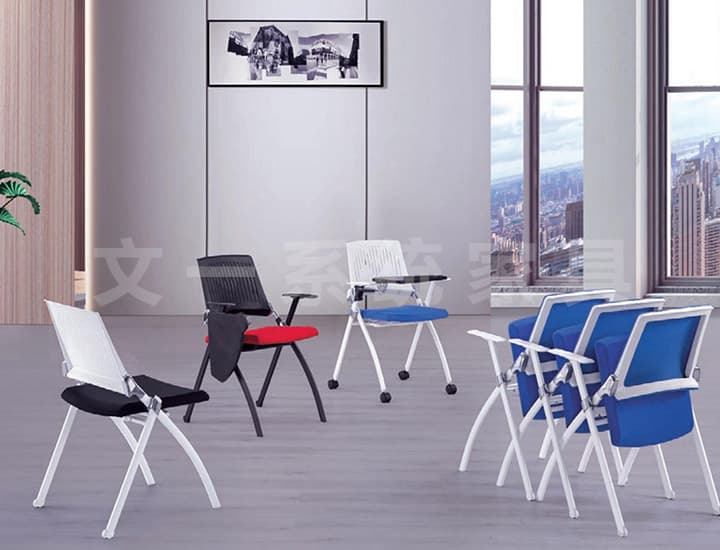
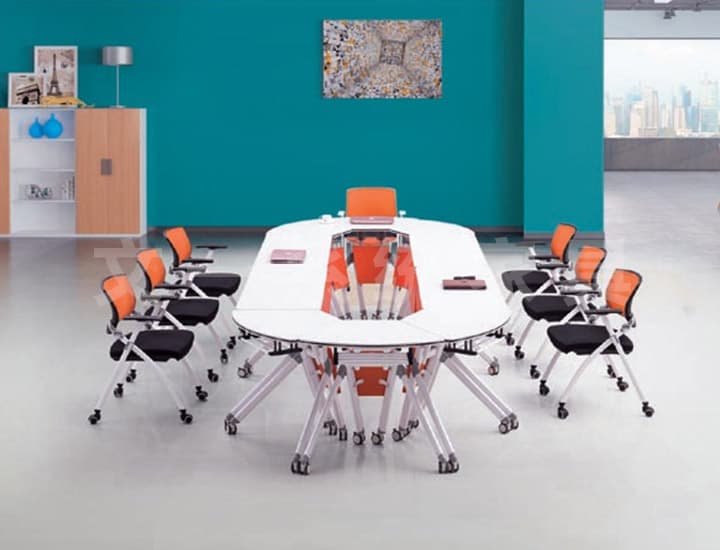
Featured products that meet these requirements
Browse FurnEdu furniture aligned with the standards and planning principles above.
View the full product catalog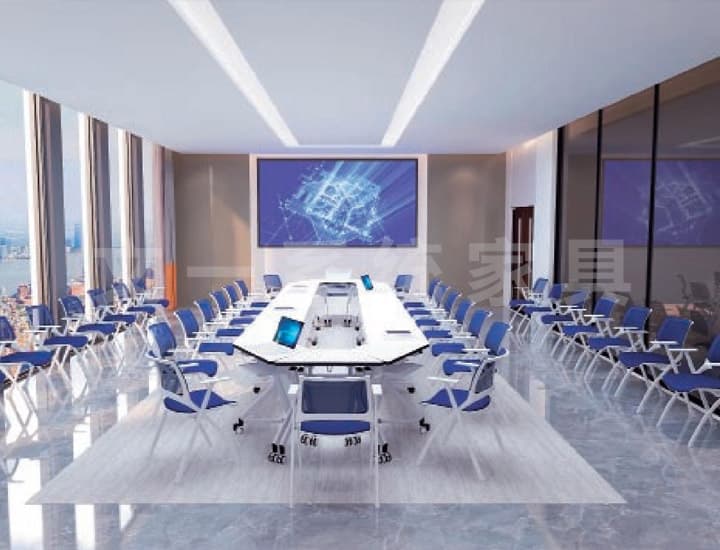
Ready to furnish your next campus project?
Tell us about your space, quantities and timeline. Our team will reply with a tailored quotation within 24 hours.