School Furniture Safety Standards: A Global Comparison (EU / US / Asia)
Side-by-side comparison of school furniture safety standards worldwide — EN1729 vs BIFMA X5.5 vs China GB vs Japan JIS — and how to build a highest-common-denominator global specification.
What Global Safety Standards Mean for School Furniture Buyers
Procuring school furniture for multiple international markets means navigating a complex landscape of regional safety standards — but understanding the key differences between EU, U.S., and Asian requirements can save you from compliance headaches, delivery delays, and costly product rejections. Every major region has its own framework: the EU relies on EN1729 and EN 71-3, the U.S. combines BIFMA X5.5 with CPSIA, and Asia features China's GB and Japan's JIS standards. For global school groups,...
Why Global Standards Matter
Educational furniture must meet the safety needs of children across a wide range of ages — from toddlers who mouth surfaces to teenagers who test every chair's limits. Standards bodies worldwide have developed their own approaches, shaped by local regulatory culture, manufacturing history, and consumer protection priorities.
For global buyers, the stakes are high:
- Non-compliance can stop shipments at the border — Customs authorities can seize or reject products that don't meet local requirements
- Liability exposure — Safety failures can lead to injuries, lawsuits, and reputational damage
- Procurement efficiency — Understanding where standards overlap helps consolidate orders and reduce SKU complexity
- Student protection — Furniture meeting multiple benchmarks provides the highest level of safety assurance
European Union: EN1729 + EN 71-3
Europe has one of the most comprehensive regulatory frameworks for school furniture.
### EN1729
Developed by CEN, EN1729 is the primary European standard with two parts:
EN1729 is harmonized across all EU/EEA member states and is effectively mandatory for public school procurement.
### EN 71-3: Heavy Metal Migration
While EN 71 is best known as the EU toy safety standard, EN 71-3 (Migration of certain elements) is frequently referenced for school furniture, particularly surfaces young children might touch or mouth. It sets limits on 19 chemical elements, including lead (13.5 mg/kg migration limit for dry/brittle materials), cadmium (1.3 mg/kg), and chromium VI (0.02 mg/kg).
### Additional EU Requirements
- EN1729-1:2016 — Dimensional and ergonomic requirements: 7 size categories matching specific student height ranges, with precise specs for seat height, seat depth, desk height, and legroom.
- EN1729-2:2023 — Safety, strength, and durability: static load testing (150 kg seat, 75 kg desk), fatigue testing (50,000 cycles for chair seats), stability testing, edge safety (min 2 mm radius), and entrapment testing.
- REACH — Restricts hazardous chemicals in all products sold in the EU
- EUTR — Requires due diligence to prevent illegally harvested wood from entering the market
United States: BIFMA X5.5 + CPSIA
The U.S. framework combines industry-developed structural standards with federal chemical safety regulations.
### BIFMA X5.5
BIFMA X5.5-2023 is the primary U.S. standard for educational furniture, with more demanding structural testing than EN1729 in several categories:
### CPSIA
CPSIA is a U.S. federal law regulating all products for children ages 12 and under. Key requirements for school furniture:
### Additional U.S. Requirements
- Static load: 1,023 kg (2,255 lb) seat load
- Fatigue: 100,000 cycles at 227 kg (500 lb) for seats
- Drop test: 57 kg (125 lb) bag dropped 152 mm (6 in)
- Stability: 91 kg (200 lb) forward load resistance
- Flammability: references California TB 117-2013 for upholstery
- Lead content — Surface coatings: ≤ 90 ppm; Substrate materials: ≤ 100 ppm
- Phthalate restrictions — DEHP, DBP, BBP, DINP, DIDP, DnOP: each ≤ 0.1%
- Third-party testing — Required by a CPSC-accepted laboratory
- General Conformity Certificate — Required for all imports
- CARB Phase 2 / TSCA Title VI — Formaldehyde emission limits for composite wood products
- California Proposition 65 — Warning label requirements for listed chemicals
Asia: China GB + Japan JIS
Asia has several important national standards, with China's GB system and Japan's JIS being the most relevant.
### China GB Standards
Chinese standards are mandatory for domestic public procurement and increasingly influential across Southeast Asia. Many Chinese manufacturers design products meeting both GB and international standards.
### Japan JIS Standards
Japan's standards are known for being particularly rigorous on chemical emissions and build quality.
- GB/T 3976-2014 — Dimensions of school desks and chairs (10–11 size categories, similar approach to EN1729-1 with Chinese anthropometric data)
- GB 28007-2011 — Mandatory children's furniture safety standard covering structural safety, edge rounding, stability, and warning labels
- GB 18584-2001 — Formaldehyde emission limits (E1 grade: ≤ 0.124 mg/m³ for interior use)
- GB/T 3324-2017 — General technical requirements for wooden furniture
- JIS S 1021 — School desks and chairs (dimensions, strength, and safety with Japanese-specific anthropometric data)
- JIS S 5001 — Furniture storage safety and stability testing
- JIS A 1460 — Formaldehyde classification (F4 Star is the strictest, equivalent to or stricter than CARB Phase 2)
Global School Furniture Safety Standards Comparison
[TABLE] | Aspect | EU (EN1729 + EN 71-3) | USA (BIFMA X5.5 + CPSIA) | China (GB) | Japan (JIS) | | |--------|----------------------|-------------------------|------------|-------------| | | **Primary structural standard** | EN1729-2 | BIFMA X5.5 | GB 28007, GB/T 3324 | JIS S 1021 | ...
Key takeaway: No single regional standard is "strictest" across all categories. Europe leads on ergonomic sizing and heavy metal migration. The U.S. is more demanding on structural fatigue and has explicit phthalate restrictions. Japan sets the highest bar for formaldehyde emissions. China has a comprehensive mandatory framework growing in influence across Asia.
Global Procurement Strategy
### 1. Build a "Highest Common Denominator" Specification
Take the strictest element from each standard to create a single global spec:
This ensures furniture meets every major market's requirements with one product specification.
### 2. Work with Multi-Standard Manufacturers
Look for manufacturers with multiple certifications (ISO 9001, FSC), test reports for both EN1729 and BIFMA X5.5, and experience exporting to multiple regions.
### 3. Build a Documentation Package
For each order, require: structural test reports, chemical test reports, material certifications (FSC, CARB), declaration of conformity, and ISO management system certificates. This satisfies most customs, procurement, and audit requirements worldwide.
### 4. Pre-Shipment Inspection is Your Safety Net
Always conduct a pre-shipment inspection by a reputable third party (SGS, Intertek, Bureau Veritas, TÜV). This catches problems before products leave the factory.
- Sizing: EN1729-1 / ISO 5970 (globally recognized, most detailed)
- Structural durability: BIFMA X5.5 fatigue and load requirements
- Chemical safety: CPSIA lead/phthalate + EN 71-3 heavy metal migration + CARB Phase 2 formaldehyde
FurnEdu Furniture That Meets This Standard
FurnEdu specializes in globally compliant school furniture designed to meet multiple international standards simultaneously — making us the ideal partner for international school groups, multi-campus operators, and global procurement teams.
How FurnEdu products address global safety requirements:
With experience serving schools in 50+ countries across Europe, North America, the Middle East, and Asia, FurnEdu delivers the safety, quality, and compliance you need — with the efficiency and cost-effectiveness of a single global supplier.
- European compliance — EN1729-1 dimensional requirements (all 7 size categories) and EN1729-2 structural safety. Surface materials tested to EN 71-3 for heavy metal migration.
- North American compliance — Engineered to meet BIFMA X5.5 structural performance requirements. All materials comply with CPSIA lead and phthalate limits. Composite wood panels meet CARB Phase 2 / TSCA Title VI formaldehyde standards.
- Asian compliance — Fully compliant with China's GB standards; JIS specifications available on request. ENF and E0 grade panels meet or exceed the strictest Asian formaldehyde requirements.
- Third-party test verified — We work with globally recognized laboratories (SGS, TÜV, Intertek) to provide test reports for every major standard.
Frequently asked questions
For IB, British, or European curriculum schools, EN1729 + EN 71-3 is the most common choice. For American curriculum schools, BIFMA X5.5 + CPSIA is standard. Many premium international schools specify both — EN1729 for ergonomic sizing and BIFMA/CPSIA for structural and chemical safety. Adding FSC certification for wood products is also common.
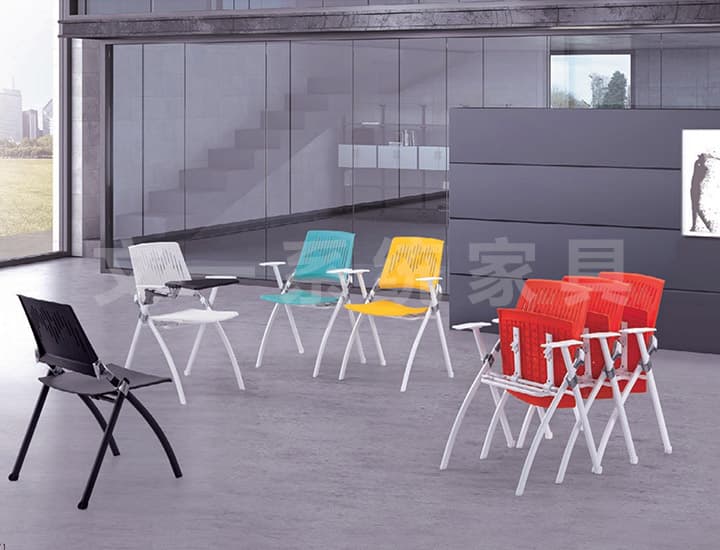
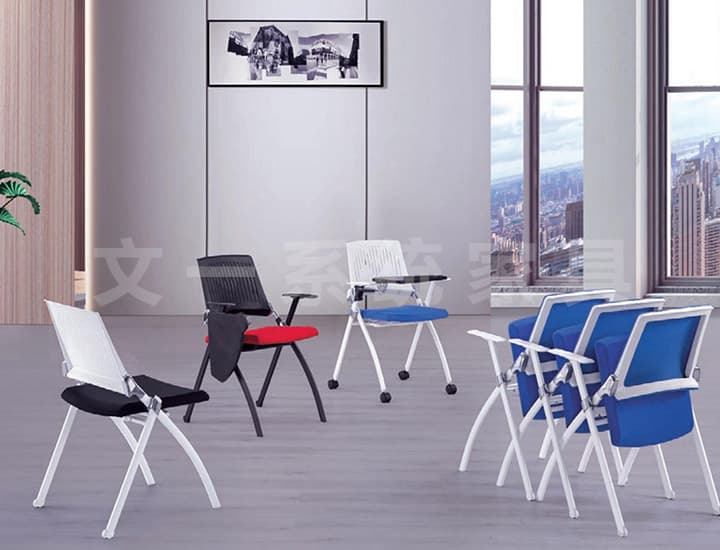
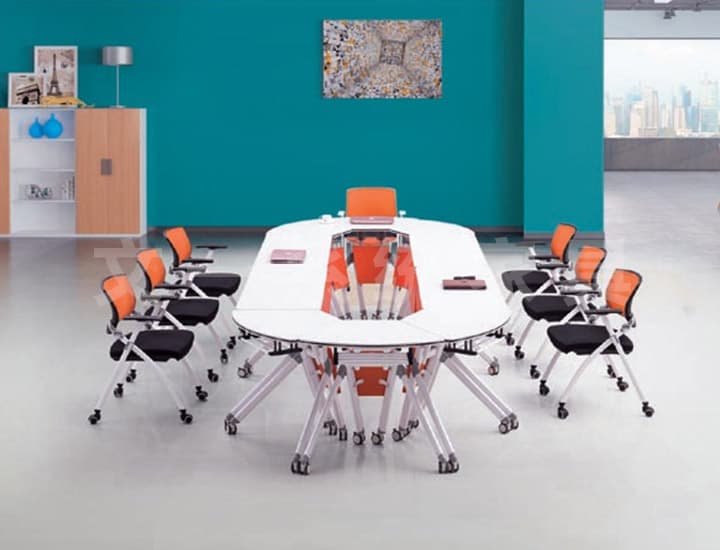
Featured products that meet these requirements
Browse FurnEdu furniture aligned with the standards and planning principles above.
View the full product catalog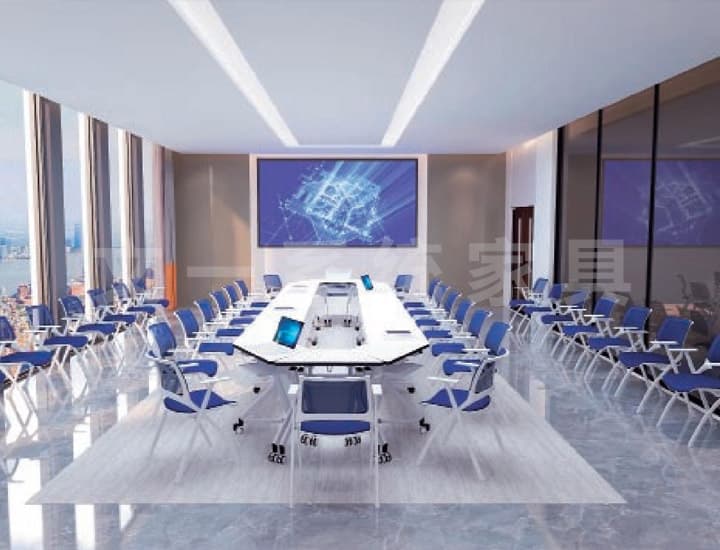
Ready to furnish your next campus project?
Tell us about your space, quantities and timeline. Our team will reply with a tailored quotation within 24 hours.