7 models · Product category
School Furniture
Classroom desks, chairs and lounge seating sized to students and built for daily institutional use
About the School Furniture range
Guide by FurnEdu · educational furniture manufacturer since 2007
School Furniture is the core furnishing category for teaching rooms: student desks, chairs, teacher stations and the lounge seating that softens shared areas. Our range is organised by EN1729 size marks so that a single order can fit a mixed-ability classroom, and each model is engineered to take the daily load of a school rather than the occasional use of an office. For a buyer, the category is the starting point for any classroom schedule. Because the category covers several room types, specification has to be explicit about where each model will go. A desk that works in a primary classroom is not the right choice for a senior exam room, and lounge seating needs a different frame and fabric from a study chair. The guide below sets out the specification questions that decide which model belongs in which room, and links to the planning and compliance material that supports the decision.
Standards and materials
- Dimensional and ergonomic requirements are engineered to EN1729-1 size marks, with height bands and functional dimensions documented per model.
- Structural performance is engineered and tested against EN1729-2 requirements for strength, stability, impact and design safety.
- Boards are specified at ENF or E0 grade with low-VOC water-based finishes, and timber components can be supplied under FSC chain of custody.
What to specify before ordering
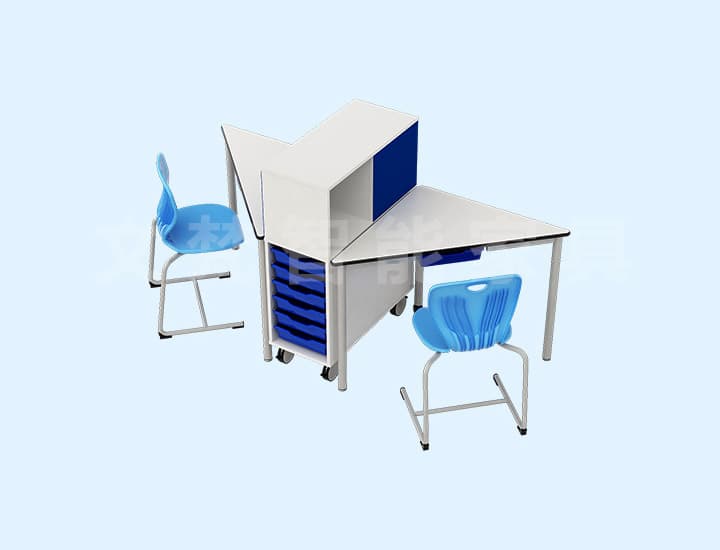
- The chair and table are supplied as a matched pair in a stated size mark.
- The model carries a third-party report covering both parts of EN1729.
- The work surface is replaceable without replacing the frame.
- Edges are sealed and rounded, with no exposed board or sharp under-frame parts.
- A stated structural warranty and a spare-parts route are included in the offer.
Learning spaces using this range
How to buy school furniture
Size the room before the model
Choose size marks from measured student heights rather than year groups, and expect a mixed-size room. Our [desk and chair sizing guide](/knowledge-hub/space-planning-guides/classroom-desk-chair-sizing-guide) explains how to survey a class and allocate the mix.
Decide fixed or adjustable
Fixed furniture costs less and suits single-age rooms; adjustable furniture costs more and serves multi-year rooms with one SKU. Apply the ten-year view rather than the purchase price when comparing the two.
Match the table to the chair
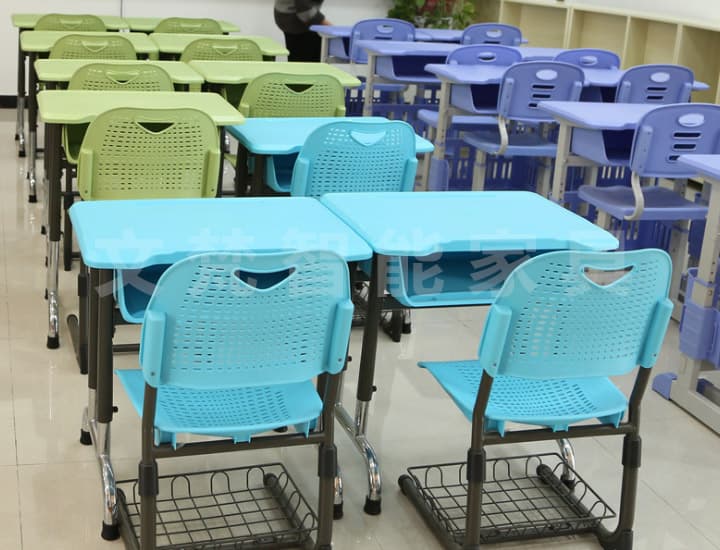
A correct chair at the wrong table is still the wrong setup. Order chair and table as a matched pair in the same size mark, and check the working height with a sample before the full order is placed.
Specify the work surface explicitly
The top is the first component to fail. State the board grade, the laminate grade and the edge construction, and require a replaceable top so that the frame survives the second surface.
Plan shared-area seating separately
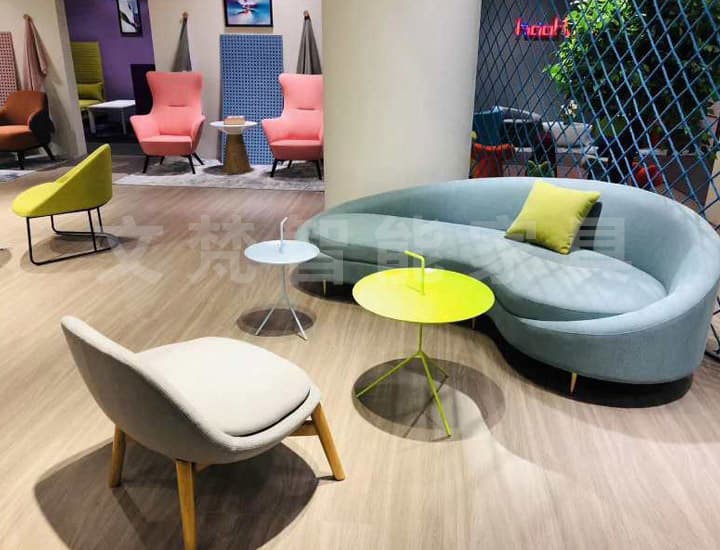
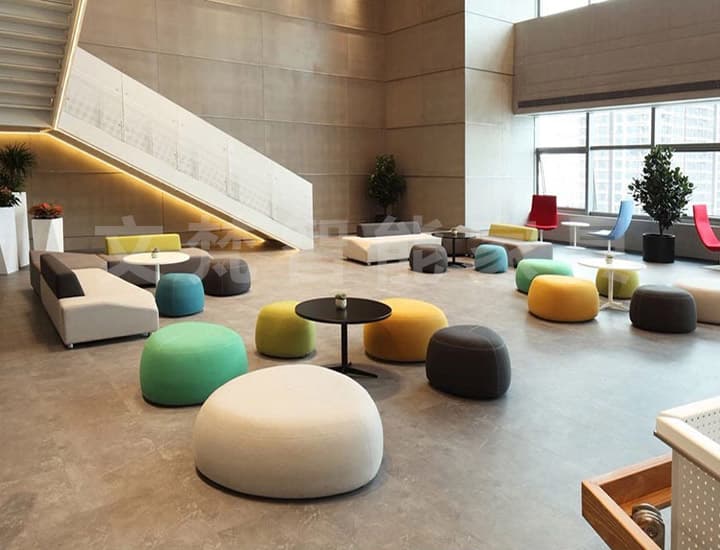
Lounge and soft seating for corridors and common rooms takes different abuse from classroom chairs. Specify contract-grade frames and wipeable upholstery, and see the [collaborative zone pages](/spaces/collaborative-public-zones) for typical configurations.
7 School Furniture models
View full catalog →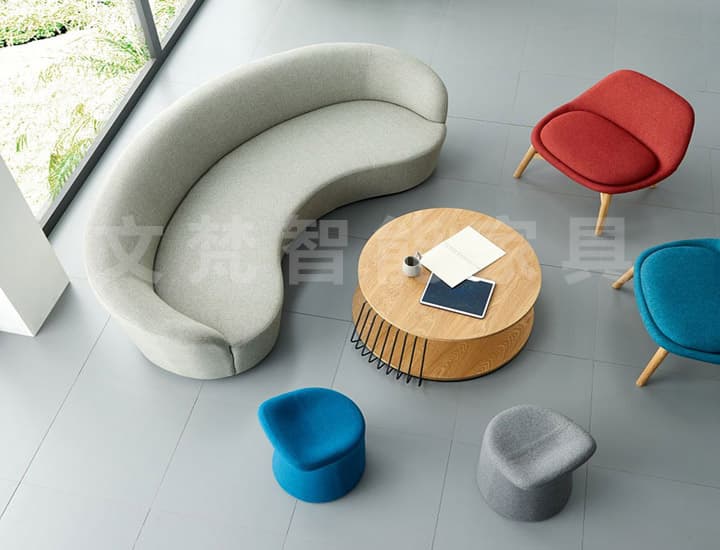
School Furniture — frequently asked questions
Answers by FurnEdu · educational furniture manufacturer since 2007
What standards should school furniture meet?
For most international projects the baseline is EN1729 for dimensions and structural safety, with BIFMA X5.5 referenced where North American funding or curriculum applies. Add material documentation for board emissions and coating migration, and FSC if timber sourcing is part of the school sustainability policy.
How many size marks should one classroom have?
Most secondary classrooms need two adjacent size marks to cover the height spread, with a small number of the marks above and below for outliers. Primary rooms often use one mark with a handful of adjustable desks. Measure the class before deciding rather than ordering one size for a year group.
Is height-adjustable furniture worth the extra cost?
In rooms that serve several year groups or that will be used by a changing cohort, yes. In a single-age primary room, fixed furniture is cheaper and has fewer parts to fail. The decision should be made per room type, not as a blanket policy for the whole campus.
Can I match new classroom furniture to an existing installation?
Often yes, if the original model is still produced and the finish range is unchanged. Send the model reference, the size marks and photographs, and request a sample for colour matching. Where the original is discontinued, plan the new furniture by room rather than mixing within a room.
How long should school furniture last?
A steel frame with a replaceable top typically serves ten to fifteen years in a classroom, and the top is often replaced once in that period. Upholstered lounge seating usually needs replacement or recovering after seven to ten years. A rolling replacement budget is cheaper than replacing a whole room at once.
Related buying guides
EN1729 School Furniture Standard: A Complete Guide for Buyers
A practical EN1729 guide for school buyers: the size marks, what EN1729-1 and EN1729-2 require, how to verify a claim, and tender wording that holds.
K-12 Classroom Layout Guide 2026: Designing for Active Learning
How to plan K-12 classroom layouts for active learning: five configurations, space per student, clearances, furniture choices and room-level trade-offs.
School Furniture Cost and Budget Guide: Per-Classroom Planning
How to budget school furniture by classroom and per student, what total cost of ownership includes, and where furniture budgets usually leak.
Need school furniture for a campus project?
Send your room list, quantities and delivery country. The project team returns a specification-matched quotation with lead times, normally within one business day.
Request a quote